About the training program
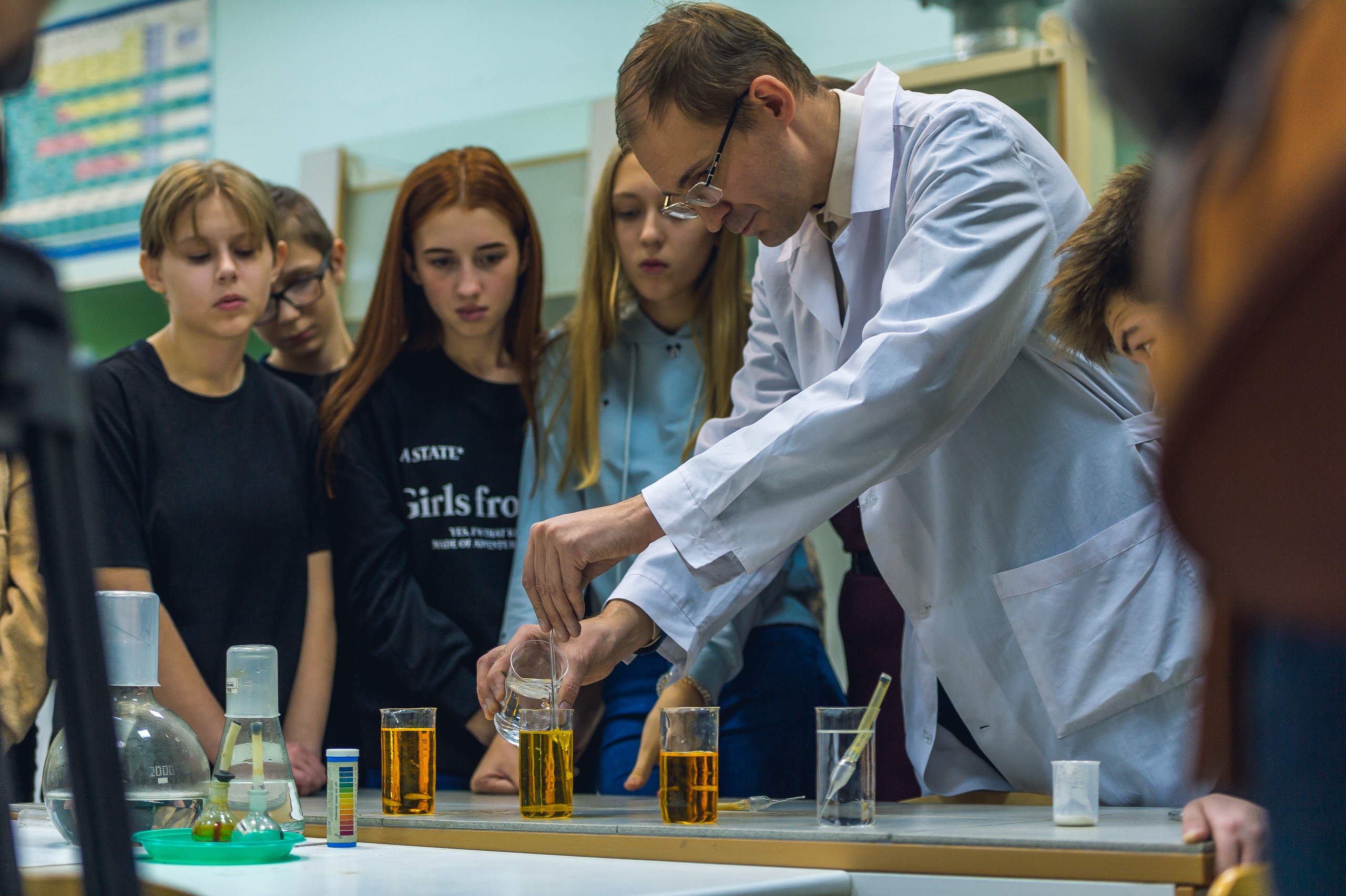
Until recently, new materials were developed only through labor-intensive and expensive physical experiments. Thanks to the active development of the IT industry, big data technologies, and machine learning, it has become possible to predict the structure and properties of new materials using computer modeling. After conducting preliminary calculations in laboratory conditions, only the most promising materials are synthesized, after which their structure and properties are determined. This is exactly how advanced domestic and foreign companies act today when developing new metal alloys, ceramics, and composite materials.
What do graduates do?
Our graduates work in research laboratories, companies of Rosatom, Roscosmos, and Rostec, enterprises of the defense-industrial complex, radio and instrument manufacturing, aircraft and rocket manufacturing, at enterprises of the pharmaceutical and chemical industries, at energy enterprises, in the oil and gas processing industry. • Novosibirsk Aviation Plant (NAZ) named after V. P. Chkalov;
• LLC "Research Complex of the Center for Technological Support" (Technopark of Novosibirsk Akademgorodok);
• Institute of Hydrodynamics named after M.A. Lavrentyev of the Siberian Branch of the Russian Academy of Sciences;
• Institute of Theoretical and Applied Mechanics named after S. A. Khristianovich